AI Integration Services for Enterprise




What is AI Integration?
AI Integration vs. Traditional Integration
The Business Value of AI Integration
Runs on top of existing ERP and CRM systems
Integration happens without data migrations, parallel environments, or the need to replace your current software.
Embedded directly into existing workflows
AI operates inside the tools your team already uses daily, rather than sitting in a separate, easily ignored chatbot tab.
A secure, controlled data perimeter
An official, enterprise-grade infrastructure replaces the security risk of employees using personal ChatGPT accounts.
Fewer manual errors
Automating data collection and input removes human error from routine operations.
Automated data masking
Sensitive and confidential information is automatically redacted or anonymized before any request hits the model.
Strict user-level access control
The AI only generates responses using documents and data that the specific employee is officially authorized to view.
Predictable unit economics
Calculate the exact cost per request and per feature during the pilot phase.
Infrastructure stability
Built-in fallbacks automatically handle API downtime or service disruptions from the LLM provider.
Architectural flexibility
Swap out the underlying model for any specific feature at any time without rewriting the rest of your system's codebase.
Types of AI Integration We Deliver
Conversational Interfaces
CRM and Sales Intelligence
Document Processing
Predictive Analytics
Process Automation
Agentic AI
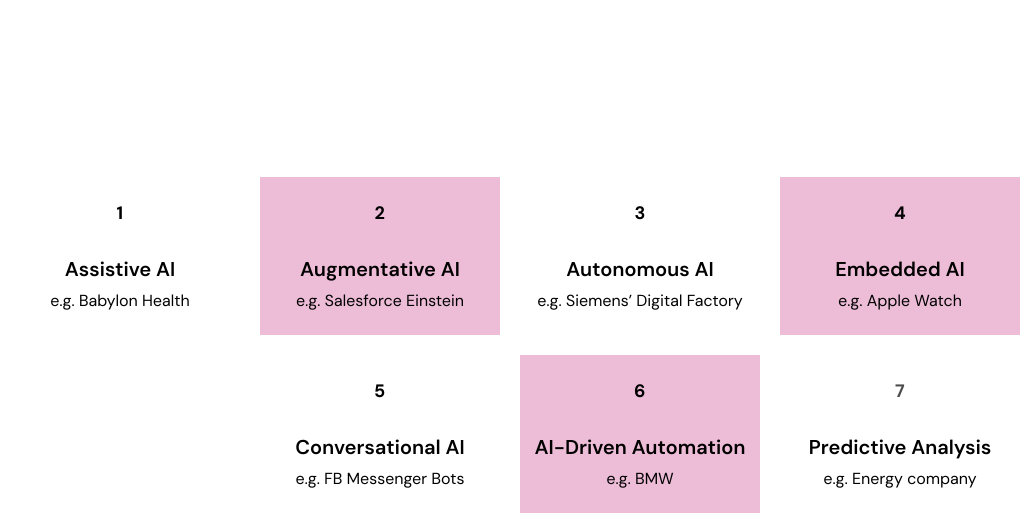
Autonomous AI agents for multi-step tasks across different systems. They operate with full action logging and strict access control compliance.
Find your fastest AI integration points
Start with a 1-week system audit. You will get a clear integration plan and a precise ROI estimate before writing a single line of code.
Enterprise AI Integration with Your Systems
As an AI integration company, Tensorway helps combine machine learning models, LLM solutions, and AI agents with your existing systems.
CRM Systems
Integrating AI with customer databases to automate sales and support workflows. The AI independently analyzes interaction history, drafts personalized responses, and provides instant access to analytics.
Salesforce
HubSpot
Microsoft Dynamics 365
ERP Platforms
Connecting models to resource management systems to automate internal logistics, financial planning, and accurate forecasting based on historical data.
SAP
Oracle
NetSuite
Data Platforms
Connecting LLM applications with enterprise data warehouses and data pipelines. This ensures secure AI access to large datasets and enables scalable analytics.
Snowflake
Databricks
Google BigQuery
Communication Platforms
Embedding AI assistants into daily team collaboration tools and external customer channels to accelerate response times.
Slack
Microsoft Teams
Zendesk
AI API Integration Services
A third-party LLM API is an external dependency. Providers constantly update models, change pricing, and deprecate older versions. An integration layer mitigates these risks through several key features:
Unified gateway
All requests route through a single point to track logs, rate limits, and costs per feature.
Model routing
Use cheaper models for high-volume tasks and powerful ones for complex queries. Swapping models won't break the rest of the product.
Provider fallback
If the primary API goes down, traffic automatically switches to a backup model.
Regression testing
Model updates or prompt tweaks are validated against benchmark cases to catch quality drops before users notice.
Context caching
Repetitive requests are cached to avoid double-billing.
Our AI Integration Process
/01
Data Audit
We map out available APIs, data locations, and access permissions. Next, we baseline current process metrics like processing time, error rates, and costs to measure ROI. We also conduct an early security review for enterprise compliance.
/02
Architecture Design
We define the core technical foundation. This includes integration layer deployment, data flows, and security perimeters. We also set the specific rules for how AI models interact with your core business systems.
/03
Pilot Integration
We deploy a single automated workflow using real data within 2 to 4 weeks. Success is measured strictly against the benchmarks from the audit phase. This ensures expansion decisions are backed by data.
/04
Deployment
We scale using a canary deployment strategy under continuous monitoring. At this stage, we configure fallback scenarios for edge cases. These include invalid model outputs, API downtime, or unauthorized data requests.
/05
Maintenance
We track response accuracy, hallucinations, latency, and API spend. We also adapt the infrastructure to third-party provider updates. Full ongoing support is available as a managed service.
Find your fastest AI integration points
Start with a 1-week system audit. You will get a clear integration plan and a precise ROI estimate before writing a single line of code.
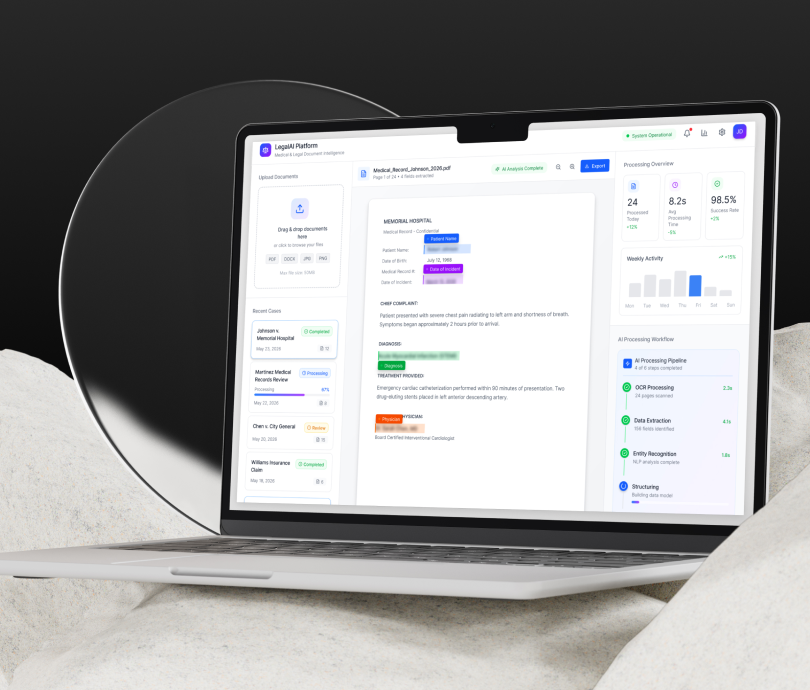

160x faster document processing for a law firm
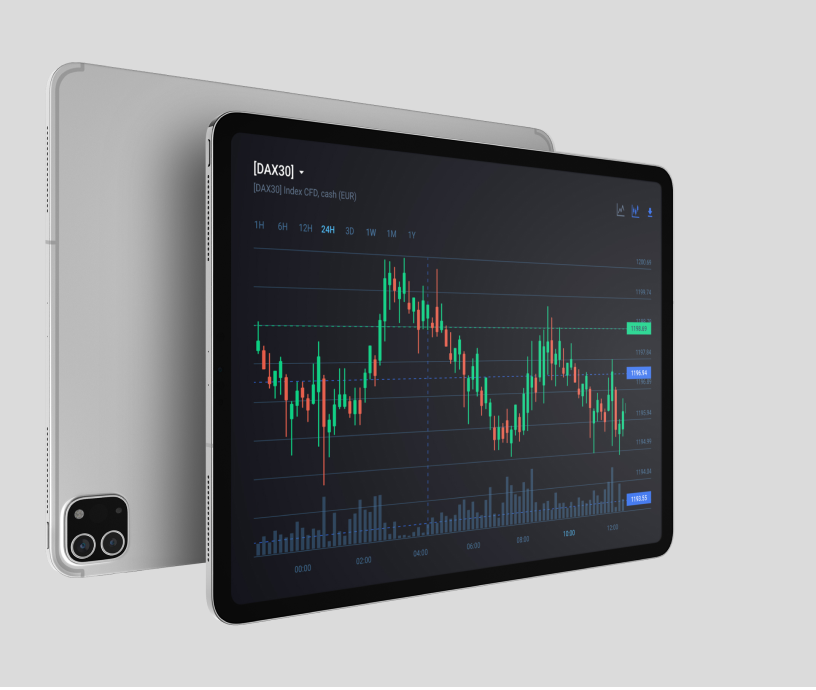
Trading platform with agentic AI for 100k+ investors
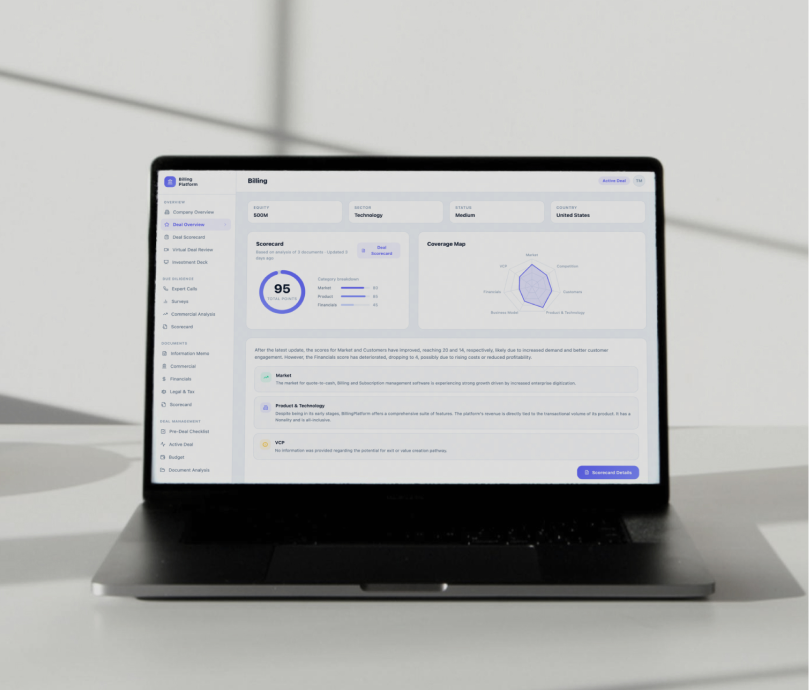

AI agent system for a multi-billion-euro PE fund
“They're incredibly detail-oriented, proactive in suggesting improvements, and consistently bring new ideas to improve our systems."


Our biggest operational cycle compression in unstructured data processing
Autonomous AI agents running live in client environments
of clients return for the next project
Countries running systems built by our team
Engagement Models
Fixed Scope
System audits, architecture design, or a single pilot integration. We lock in the budget and timeline. The final deliverables are fully documented so your team can maintain the system independently.
Best for: clear project boundaries and a need for predictable costs.
Dedicated Team
Our engineers manage the integration layer, data pipelines, and API connections directly within your development workflow. Your team embeds AI features step by step.
Best for: long-term AI product integration with a growing roadmap.
Managed Services
Live traffic monitoring for response quality and costs. We handle performance drops and migrate your system to new model versions or APIs.
Best for: live integrations where you need to offload operational overhead.
Frequently Asked Questions